
Diabetic Foot Care
Why Routine Diabetic Foot Care is Essential
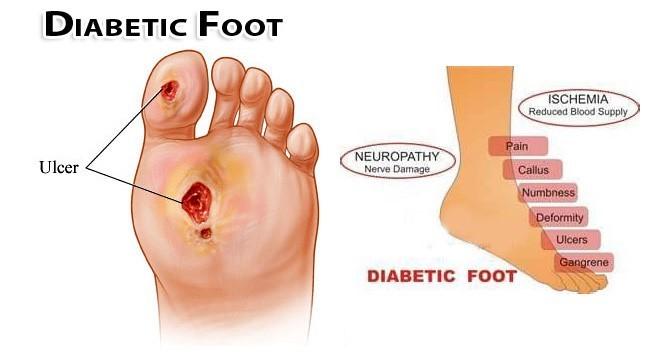
Higher glucose levels over time can cause nerve damage in the extremities that may cause sensory, motor or autonomic nerve damage in the feet and lower limbs and other parts of the body such as; eyes, kidneys, muscles, tendons, ligaments, skin, nails and many other organs.
Peripheral neuropathy can contribute to many foot-related problems and if gone un-noticed, or left untreated such as sores, ingrown toenails, deformities, causing instability, and/or falls. Poor circulation is often a result of delayed wound healing, increasing risk for ulceration, persistent infections, and non-healing wounds, resulting in lower limb amputations. Prevention is the key to protecting your health and well-being.
When to See Your Podortho™ Foot Specialist
All diabetics or those with vascular complications, such as high blood pressure or high cholesterol, should be evaluated for lower limb risks and have an annual diabetic foot screen done by a foot specialist. Our foot screening process will determine the need for regular maintenance care.
If you have developed any of the following symptoms, we recommend attending our clinic as soon as possible.
- Noticeable changes to skin on your legs and feet, such as cracked skin, calluses, or corns
- Nail changes such as thickening, yellow discoloration, ingrown nails, wounds, and blisters
- Toenail infections such as athlete’s foot between your toes or flaking skin on the bottom of your feet
- Numbness, tingling, burning, or pain in your feet
- Loss of feeling in your feet
- Loss of temperature sensation to heat or cold
- A change in the shape of your feet
- Unsteadiness when walking
- A change in the color and temperature (cold or hot feet)
Most people with diabetes or peripheral vascular disease can prevent serious foot complications such as wounds, infections and/or amputations. The best method to protect your feet and the rest of your body is to maintain a healthy lifestyle with regular exercise, taking prescribed medications, monitoring blood glucose levels, following a diabetic friendly diet, visiting your foot care specialist monthly to protect your lower limbs and feet and prevent more serious complications.
Our PodOrtho™ Foot Specialists are trained to detect signs of lower limb and foot complications, perform routine foot screening and give client education to promote preventative strategies to maintain healthy feet and lower limbs. Our PodOrtho™ Foot Specialists provide hygienic services following (PIDAC) best practice guidelines and sterile instruments when treating all skin and nail conditions. Our PodOrtho™ Foot Specialists also assess foot mechanics to ensure excessive pressure is eliminated to prevent wounds from developing and make recommendations. Our PodOrtho® Foot Specialists also assess your lower limb vascular status and make recommendations to improve lower limb circulation to protect the integrity of the skin, nervous system, muscles, joints, tendons, ligaments and nails.
PodOrtho™ Foot Specialists and Nurses Make Self Care Recommendations for those who have developed decreased sensation or absence of sensation due to peripheral neuropathy or peripheral vascular disease
At Risk People Should:
- Inspect feet and lower limbs daily for redness, scrapes, cuts, thickening of skin and nails.
- Use a hand mirror if unable to see the bottom or ask a family member or care provider.
- If soaking or cleaning feet, ensure the temperature of the water is tested with a thermometer or a family member or care provider prior to placing feet in a soak.
- Apply diabetic friendly foot foams or lotions that absorb quickly and do not leave an oily residue. Many diabetic foot foams are now safe to apply between the toes.
- Wear sunscreen on feet when skin is exposed to the sun.
- Always protect your feet with footwear both outside and inside. There are many indoor and outdoor footwear options available now that accommodate digital deformities with deep toe boxes, supportive arches, extra widths, soft and breathable materials and heel cushions. Foot injuries can occur in many places, including in the home. Indoor shoes help to offload pressure areas and promote comfort on those hardwood and ceramic tile floors.
- Sweep your hand inside the shoe prior to placing your foot in the shoe to identify any foreign objects that may cause injury.
- Avoid using mats that may be a tripping hazard in the home.
- Diabetic socks help to prevent injuries when wearing shoes and boots. We recommend purchasing socks that are seamless socks with mild compression that hold the sock in place with reinforced heels and toes, and made of a moisture-wicking material. Cotton (100%) absorbs and holds onto moisture; however, blended materials with cotton can be both comfortable and create the appropriate moisture balance required to keep skin dry.
- Visit your diabetic foot care specialist monthly. Regulated Health Care Providers who are licensed with a professional college and have acquired advanced education and training, implement best practices and provide the medical foot care diabetic clients require. RHCP’s work in sterile and professional environments.

- Cut your own nails with clippers
- Cut your own calluses, or corns
- Treat your own ingrown toenails, or slivers with sharp objects
- Use over-the-counter medications to treat corns or warts as they are dangerous for people with diabetes
- Apply heat to your feet using a hot water bottle, or electric blanket. Due to decreased sensation, you could burn your feet without realizing it
- Take very hot baths
- Use lotion between your toes
- Walk barefoot indoors, or outdoors
- Wear tight socks, or shoes
- Sit for prolonged periods of time
- Smoke

- See your Podortho Nurse for routine assessment and foot care
- Check your feet every day for cuts, cracks, blisters, sores, infection, bruising, or unusual markings
- Use a mirror to view the bottom of your feet if you cannot lift them up
- Check the colour of your legs and feet. Check for swelling, warmth, redness, or if you have pain contact your physician, or Podortho Nurse immediately
- Clean a cut, or scratch with a mild soap and water. Cover with a dry dressing for sensitive skin. Inspect cut daily. Follow up with Podortho Nurse
- Trim your nails straight across if you are able to do so safely and shape with the contour of your toe smoothing jagged edges with a file
- Wash and dry your feet daily especially in between the toes. Check the temperature of the water with your elbow, or use a thermometer to prevent scalding
- Apply a good quality lotion to the heels and soles of the feet daily
- Change your socks daily
- Wear a good supportive shoe and purchase in the late afternoon since feet tend to be more swollen at this time
- Avoid extreme heat and cold
Book Appointment
